
Creating Balanced Layouts That Actually Work
TL;DR:
- Balanced layouts create calm and structure without needing perfect symmetry
- Visual weight matters more than equal sizing – distribute elements thoughtfully
- White space works as a balancing tool, not just empty filler
- Good balance keeps visitors engaged and makes pages feel organised
- Test your balance by squinting at your layout to spot heavy areas
A balanced page layout does more than look nice. It creates a sense of calm and order that keeps visitors engaged. When text, images, and white space are distributed thoughtfully, your site feels intuitive rather than chaotic.
This matters because unbalanced layouts make people feel unsettled, even if they can't pinpoint why. Get the balance right, and visitors stay longer and engage more with your content.
Understanding Visual Weight
Visual balance isn't about making everything the same size or perfectly symmetrical. It's about distributing visual weight across your layout effectively.
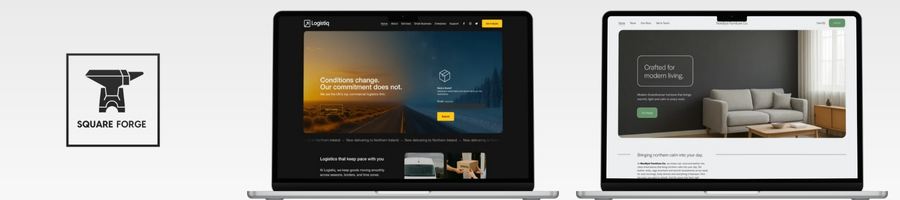
Visual weight comes from several factors:
- Size: Larger elements naturally draw more attention
- Colour: Bright or contrasting colours carry more weight
- Position: Elements at the top or edges of a page feel heavier
- Texture: Detailed or complex elements demand more visual attention
A large image on one side of your page needs something to balance it on the other side. This could be a block of text, another visual element, or even well-placed white space.
Practical Balancing Techniques
Work with White Space
White space isn't wasted space. It's an active design element that can balance heavier elements and prevent your layout from feeling cramped.
If you have a dense block of text on one side, generous white space on the other can create balance. The space gives the eye somewhere to rest and prevents the layout from feeling lopsided.
Consider Alignment and Grouping
How you align and group elements affects the overall weight distribution. Related items should sit together, and thoughtful alignment helps spread visual weight evenly across the page.
This is particularly important in Squarespace 7.1, where the flexible grid system lets you position elements more freely than the older template-based 7.0 system.
Think Vertically Too
Balance isn't just about left and right. As visitors scroll down your page, they should encounter a consistent sense of visual stability. Heavy elements at the top need to be balanced by what appears lower down.
Quick Balance Check
Here's a simple way to test your layout balance: squint at your page until the details blur. This lets you see which areas appear visually heavier and need adjustments. Heavy areas will stand out immediately.
You can also take a screenshot and flip it horizontally. Fresh eyes on a familiar layout often reveal balance issues you've missed.
When to Break the Rules
Sometimes intentional imbalance works. If you want to draw attention to a specific element, making it visually heavier than its surroundings can be effective.
But use this sparingly. Too much intentional imbalance creates chaos rather than focus.
FAQs
Does balanced design mean everything needs to be centred?
No. Balance refers to visual weight distribution, not symmetry. Elements can be offset while still creating a balanced feel.
How do I balance text-heavy pages?
Break up large text blocks with subheadings, bullet points, or images. Use white space generously, and consider varying your column widths if your layout allows it.
Can colours affect balance?
Absolutely. Bright or contrasting colours carry more visual weight than neutral ones. A small bright element can balance a much larger neutral one.
What's the biggest balance mistake people make?
Cramming too much into available space. When in doubt, give elements room to breathe rather than filling every pixel.
Jargon Buster
Visual weight: How much attention an element commands based on its size, colour, position, and complexity
White space: Empty areas in your design that help reduce clutter and improve readability
Visual hierarchy: How you arrange elements to guide the viewer's eye and prioritise information
Wrap-up
Balanced layouts create comfortable browsing experiences that keep visitors engaged. The key is distributing visual weight thoughtfully rather than aiming for perfect symmetry.

Start by identifying the heaviest elements on your page, then work on balancing them with complementary elements or strategic white space. Small adjustments often make the biggest difference.
Ready to improve your design skills? Join Pixelhaze Academy for more practical web design guidance.